If you are trying to choose between downtown Wilmington and a more suburban-feeling part of Wilmington, you are not alone. A lot of buyers want to stay close to city conveniences without giving up the day-to-day comfort that comes with quieter blocks, more greenery, or easier parking. The good news is that Wilmington gives you both options, and understanding how each one works can help you buy with more confidence. Let’s dive in.
Wilmington Means Two Different Lifestyles
When people say they want to live in Wilmington, they may be picturing two very different experiences. One is the compact downtown core with mixed-use buildings, transit access, restaurants, and a more active street feel. The other is Wilmington’s residential historic districts, which can feel more suburban while still keeping you inside city limits.
That distinction matters because the choice is often less about city versus suburb in the usual sense. According to the City of Wilmington, the practical comparison is more like downtown core versus residential neighborhood. If you know what your weekdays and weekends should feel like, the right fit becomes much easier to spot.
What Downtown Wilmington Feels Like
Downtown Wilmington is centered around the city’s Downtown Development District, which includes areas such as West Center City, the Creative District, including Quaker Hill, and East Side. The city says this district has been a major focus for private investment, housing opportunities, and neighborhood vitality. It also reports more than $400 million in private investment and over 1,200 new residential units tied to the district’s renewal.
Rodney Square is described by the city as the heart of downtown. Even though Wilmington is Delaware’s largest city and a regional economic hub, the city also notes that its scale and walkability help it keep some small-town charm. That mix can appeal to buyers who want convenience without the overwhelming feel of a much larger urban center.
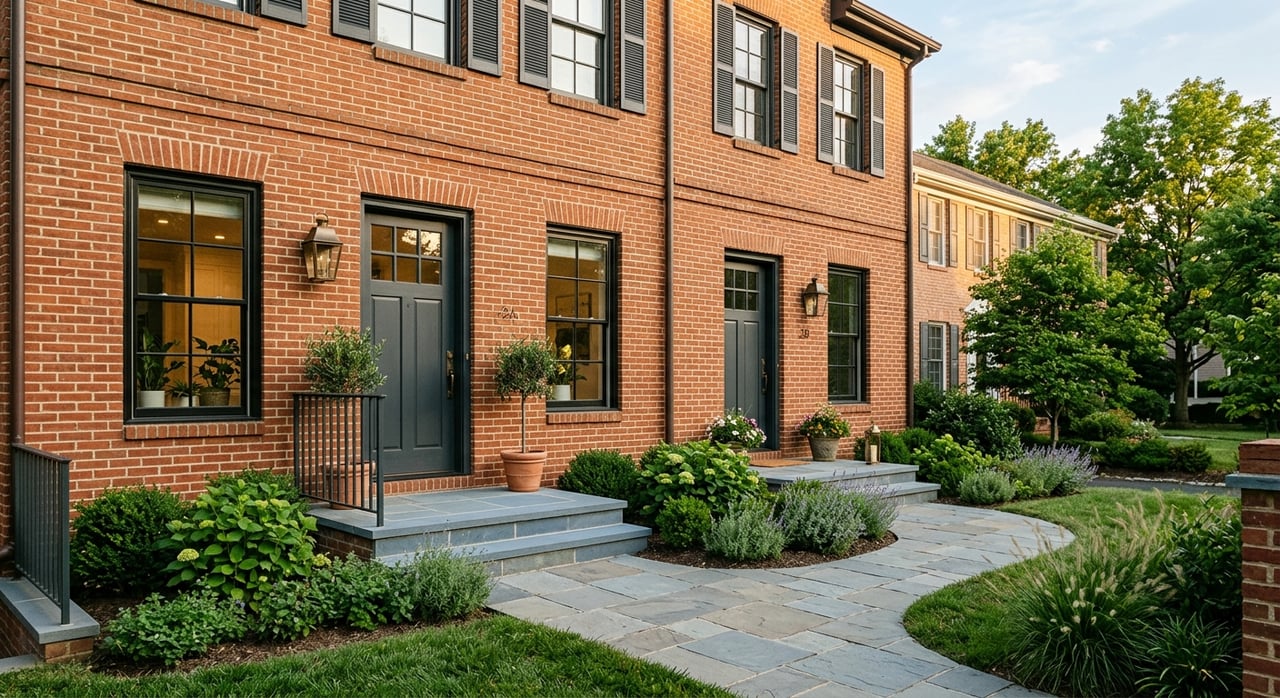
Housing downtown tends to be more urban in style. The city highlights restored brownstones, high-rise residential towers, and mixed-use buildings with residential floorplans above ground-floor retail. Compared with quieter residential sections of Wilmington, downtown often feels more vertical, more compact, and more active.
What Suburban Wilmington Feels Like
Within Wilmington, the more suburban-feeling choices are usually found in the west-side and north-end residential districts. These are not typical postwar suburbs. Instead, they are historic neighborhoods with features that create a more relaxed residential rhythm.
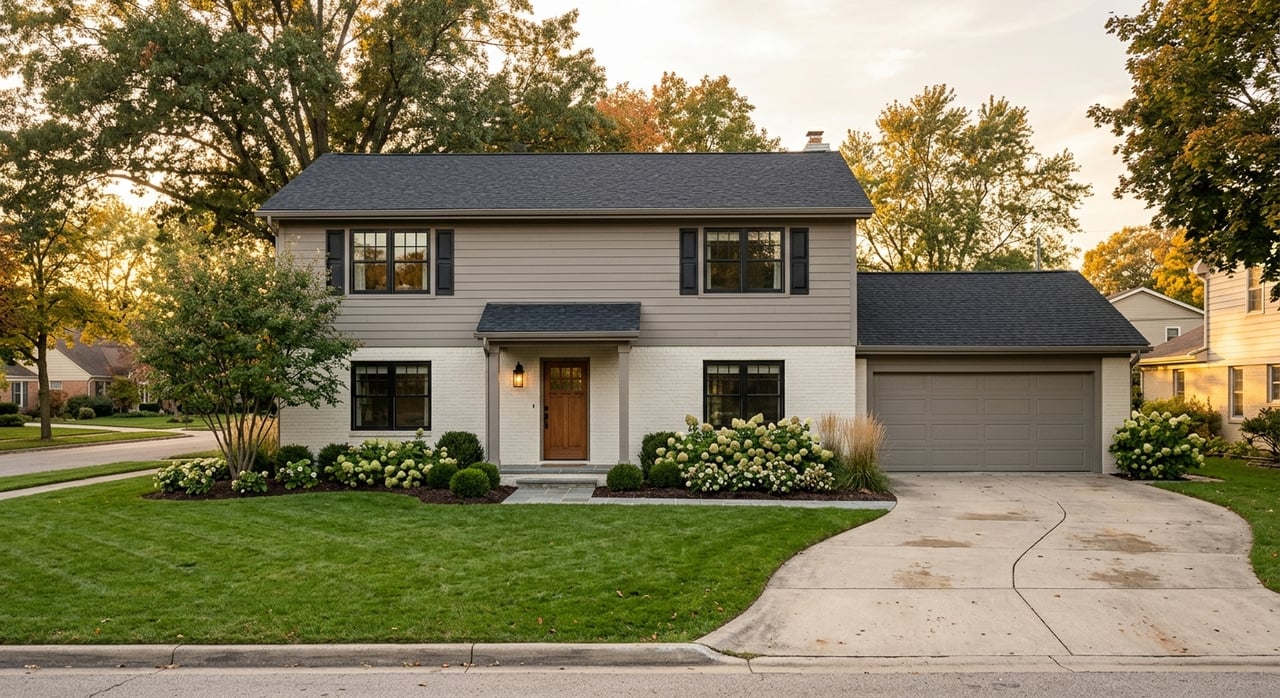
The city points to areas like Delaware Avenue, Forty Acres, Baynard Boulevard, Rockford Park, and Kentmere Parkway as examples of early suburban development patterns inside Wilmington. These areas include rowhouses, semi-detached homes, and larger early-20th-century houses, depending on the neighborhood. You may also notice wider streets, more setbacks, tree-lined blocks, and stronger park connections.
That setting can work well if you want a residential atmosphere without giving up Wilmington’s central location. You are still in the city, but your immediate surroundings may feel calmer and less centered on mixed-use activity. For many buyers, that balance is exactly the goal.
Compare Your Daily Routine First
The biggest difference between downtown and suburban-feeling Wilmington often shows up in your everyday routine. Before you think about finishes, square footage, or curb appeal, it helps to ask yourself how you want a normal Tuesday to work.
If you picture walking more often, using rail or bus service, and making short trips to restaurants or events, downtown may line up better with your lifestyle. Wilmington has strong regional connections, including Amtrak and SEPTA service at Wilmington Station, access to I-95 and I-495, and major DART bus stops clustered around the downtown business district. The city also notes that Wilmington is about 30 minutes south of Philadelphia.
If you expect to drive more often, want less of a managed parking environment, or prefer a quieter block after work, a residential district may feel more natural. That does not mean you are far from downtown. It means your home base may support a different pace.
Downtown Parking and Transit
Parking works differently in the core than it does in residential areas. The city says downtown includes metered or kiosk street parking, limited-time parking regulations in the Central Business District and Riverfront area, and multiple public garages nearby.
That setup can be a plus if you like a more transit-oriented lifestyle and do not mind planning ahead. It can be less appealing if you want parking to feel simple and automatic every day. Buyers who prefer downtown should think realistically about how often they drive and what parking routine feels manageable.
Neighborhood Parking and Car Use
Residential neighborhoods may better suit households that are comfortable using a car as part of daily life. The city also uses residential parking permit zones in neighborhoods east and west of I-95, so parking is not always completely unrestricted. Still, the overall experience is typically less centered on business-district parking rules and public garage use.
If your routine includes school drop-offs, weekend errands, regular park visits, or frequent driving across northern Delaware, this can matter a lot. A home that matches your transportation habits tends to feel easier to live in over time.
Housing Style Shapes Your Experience
Your home is not just about bedrooms and bathrooms. The type of building you live in can shape how much maintenance you handle, how much privacy you want, and how connected you feel to the street around you.
Downtown buyers are often choosing from lower-maintenance housing forms such as brownstones, towers, and mixed-use buildings. If you want a lock-and-leave lifestyle or like being close to activity, those options may feel practical and appealing. They also tend to fit buyers who value access over lot size.
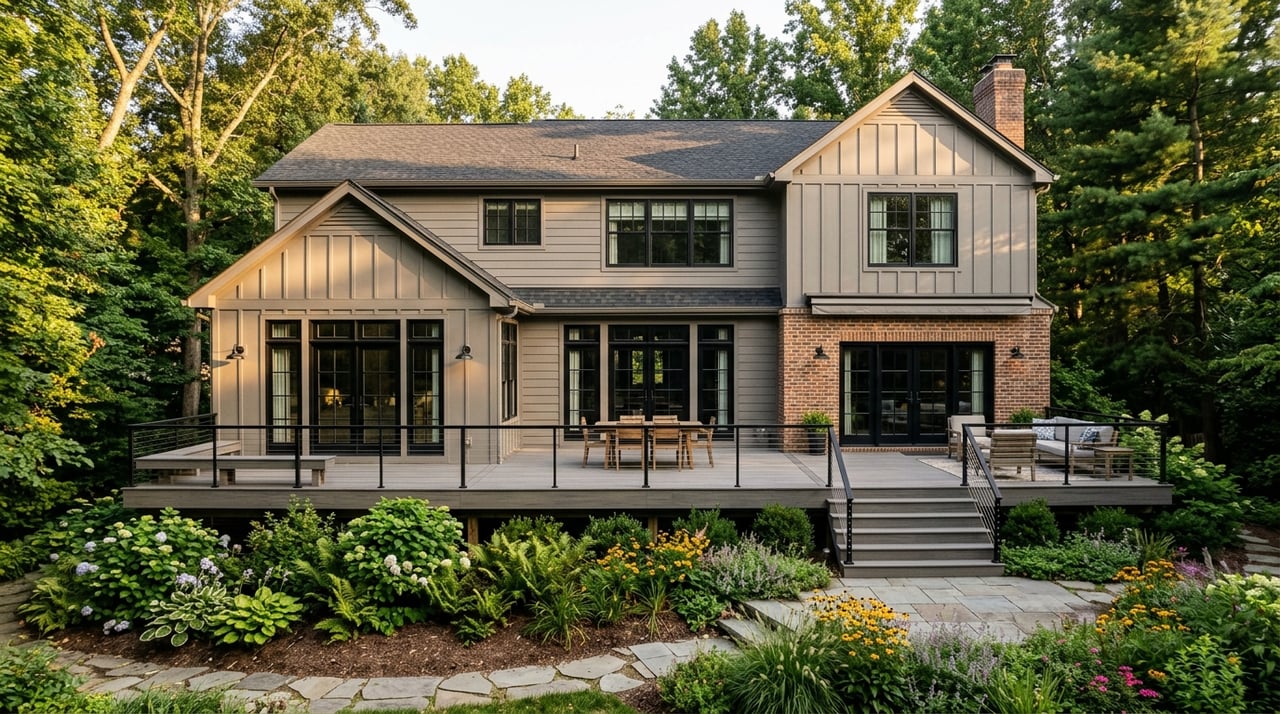
In Wilmington’s more suburban-leaning residential districts, you are more likely to find homes with larger lots, more space between homes, and a stronger historic residential feel. The city’s descriptions of these neighborhoods point to detached and semi-detached homes, generous streetscapes, and park-adjacent settings. If outdoor space or a quieter residential block matters to you, that difference may carry a lot of weight.
Parks, Dining, and Free Time
One of Wilmington’s advantages is that you do not have to pick between city access and outdoor options. The city says the Wilmington area includes almost 70 city parks, a state park, and two national park sites. That means both downtown and residential neighborhoods can offer good access to recreation, but the mix may look different.
Downtown and nearby areas put you closer to a concentrated lineup of restaurants, arts, and events. The city highlights dining on Market Street, Union Street, and Trolley Square, along with destinations like The Grand Opera House, The Queen, and the Delaware Art Museum. Cityfest also supports annual events such as the Clifford Brown Jazz Festival, Art Loop, and the July 4th Celebration.
If you want your weekends to include walking to dinner, catching a show, or being close to event activity, downtown usually delivers the strongest concentration within a short radius. That convenience can be hard to beat if you value spontaneous plans and shorter trips.
Parks Near Downtown and Residential Areas
Wilmington also offers strong park access across different parts of the city. Brandywine Park includes 165 acres, trails, the Brandywine Zoo, the Jasper Crane Rose Garden, and sports amenities. Rockford Park is home to Rockford Tower and the annual Wilmington Flower Market, while Tubman-Garrett Riverfront Park hosts the annual Riverfront Blues Festival.
If open space is a top priority, nearby state parks add another layer of appeal. Brandywine Creek State Park includes 952.02 acres and 18.74 miles of trails. Alapocas Run State Park offers 359 acres and 6.5 miles of trails, while Bellevue State Park spans 330.01 acres and includes gardens, tennis, horseback riding stables, and a fitness track of about 1.5 miles.
Which Wilmington Fit Makes Sense for You
If you are deciding between downtown and suburban Wilmington, try picturing your life instead of chasing a label. The better question is not which option is better overall. The better question is which setting supports your habits, priorities, and budget most naturally.
Downtown Wilmington may fit you best if you want:
- Walkability in your daily routine
- Easy access to Amtrak, SEPTA, DART, and major roads
- Restaurants, arts, and events close by
- Lower-maintenance housing options
- A more active, mixed-use environment
Suburban-feeling Wilmington neighborhoods may fit you best if you want:
- Tree-lined residential streets
- More setbacks or larger lots
- Historic detached or semi-detached homes
- Strong park access and quieter surroundings
- A residential feel while staying close to downtown
How to Make the Right Choice
A smart first step is to think through one weekday and one weekend in each setting. How often would you drive? Would you rather walk to dinner or drive to a park? Do you want your home to feel connected to activity, or more like a retreat at the end of the day?
That kind of clarity can save you time and help you focus your search. At Diego Reyes & Associates, we believe informed decisions lead to better outcomes, and that starts with matching the home to your real life. If you want help comparing Wilmington neighborhoods and narrowing down what truly fits, connect with Diego Reyes & Associates.
FAQs
Is downtown Wilmington, DE good for buyers who want to commute?
- Downtown Wilmington can be a strong fit for commuters because Wilmington Station offers Amtrak and SEPTA service, major DART bus stops are clustered downtown, and the city has access to I-95 and I-495.
Are there suburban-style neighborhoods inside Wilmington, DE?
- Yes. Wilmington has residential historic districts and neighborhoods such as areas around Delaware Avenue, Forty Acres, Baynard Boulevard, Rockford Park, and Kentmere Parkway that can feel more suburban while still being within city limits.
What kind of homes are common in downtown Wilmington, DE?
- Downtown Wilmington often includes restored brownstones, high-rise residential towers, and mixed-use buildings with housing above retail space.
What kind of homes are common in residential Wilmington neighborhoods?
- Wilmington’s more suburban-feeling residential areas may include rowhouses, semi-detached homes, and larger early-20th-century detached houses, depending on the neighborhood.
Is parking easier in suburban Wilmington than downtown Wilmington?
- Downtown parking is more managed, with metered or kiosk spaces, limited-time regulations, and public garages, while residential areas may feel more car-oriented even though some neighborhoods use residential parking permit zones.
Does Wilmington, DE offer both parks and city amenities?
- Yes. Wilmington offers access to almost 70 city parks, plus dining, arts, and event districts, so buyers can often balance outdoor access with city convenience depending on the neighborhood they choose.