Wondering what it’s actually like to live in Greenville, Delaware? For many buyers, this area stands out because it blends scenic surroundings, varied home styles, and practical access to Wilmington into one distinct place. If you are trying to decide whether Greenville fits your lifestyle, this guide will walk you through the homes, setting, and day-to-day rhythm that shape everyday living here. Let’s dive in.
What Greenville Feels Like
Greenville is an unincorporated community in New Castle County with a setting closely tied to the Brandywine Valley. Local planning materials describe it as a low-density, landscape-driven area rather than a compact street-grid neighborhood. That gives it a more open and scenic feel than many places nearby.
The area has been framed as roughly 5.2 square miles between Wilmington and Centreville, with Brandywine Creek helping define its setting. It also sits along the Brandywine Valley National Scenic Byway, which runs from Rodney Square in Wilmington along Routes 52 and 100 toward the Delaware-Pennsylvania state line. In everyday terms, that means the drive itself is part of the local character.
Greenville also carries a strong sense of preserved landscape. Study materials describe open space, historic stone walls, estate settings, and protected views that reflect the long history of the Brandywine Valley. If you value a setting that feels established and visually distinctive, that is a major part of Greenville’s appeal.
Greenville Home Styles
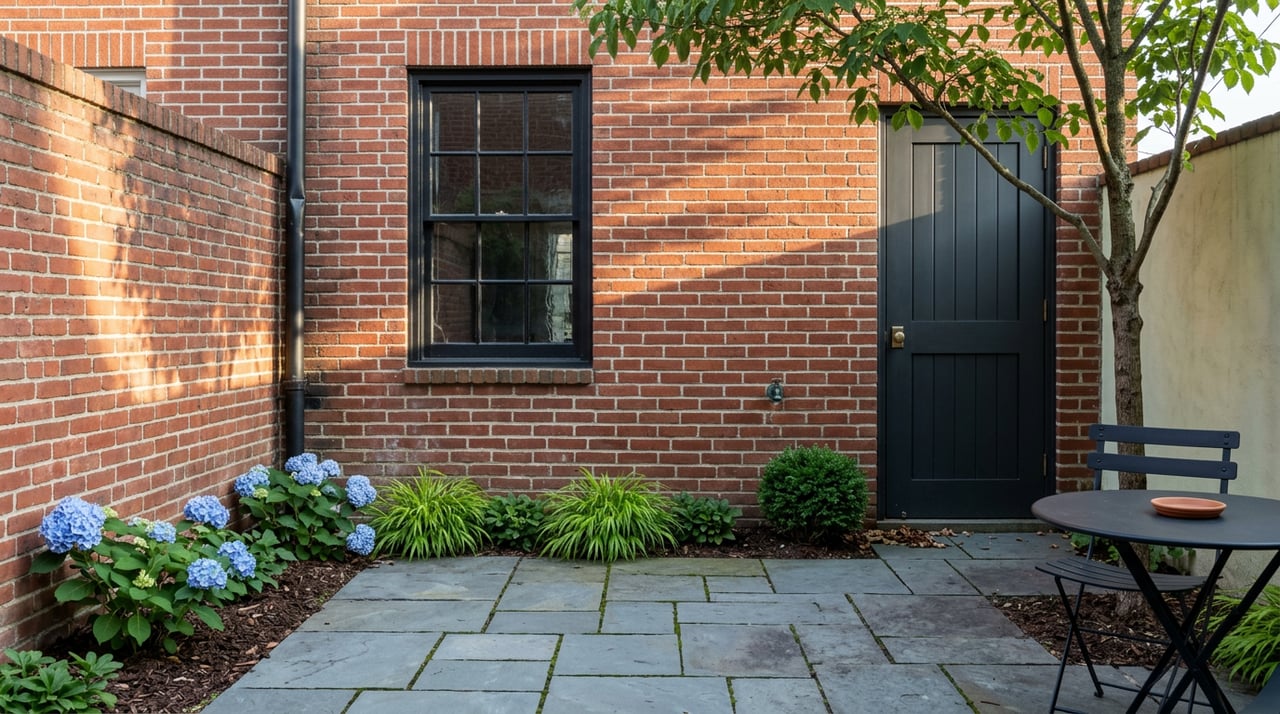
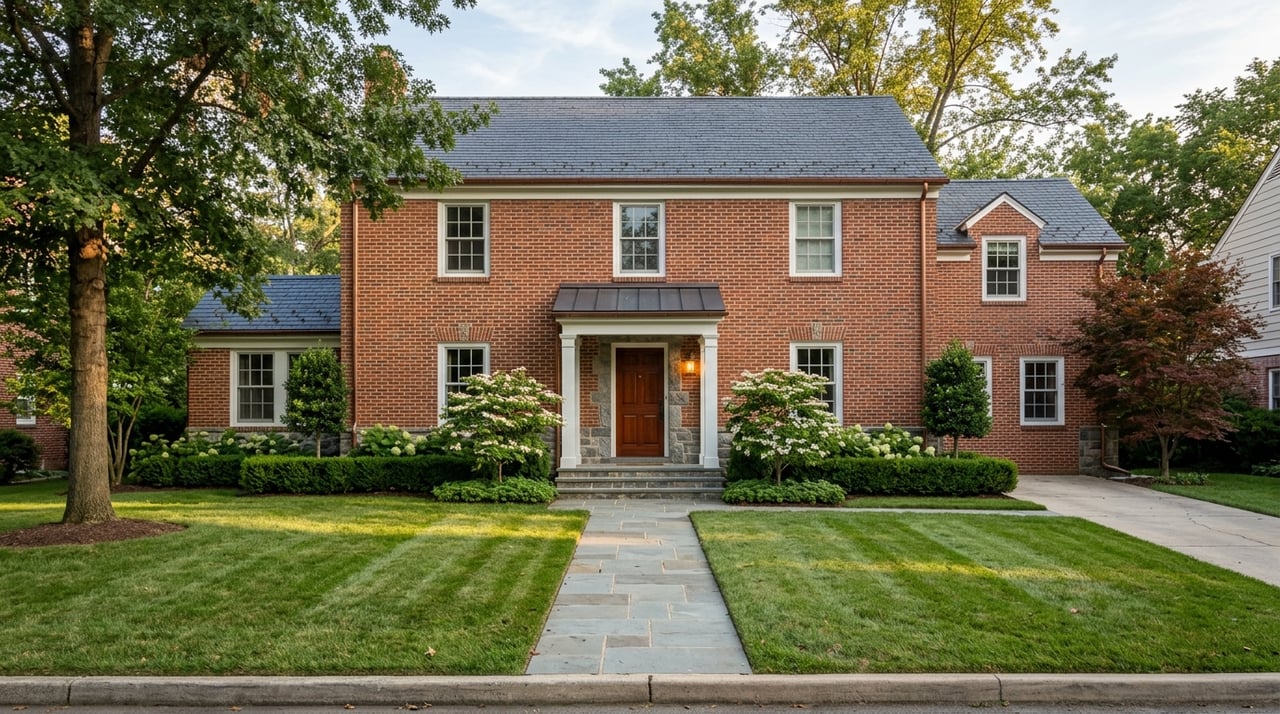
One of the most interesting things about Greenville is that the housing stock is more varied than many people expect. A Delaware historic survey recorded styles including Gothic Revival, Colonial Revival, Georgian Revival, Cape Cod, Craftsman, bungalows and period cottages, Art Deco, Tudor Revival, Ranch, and Neo-Colonial Revival. That wide mix gives buyers more architectural variety than the name alone might suggest.
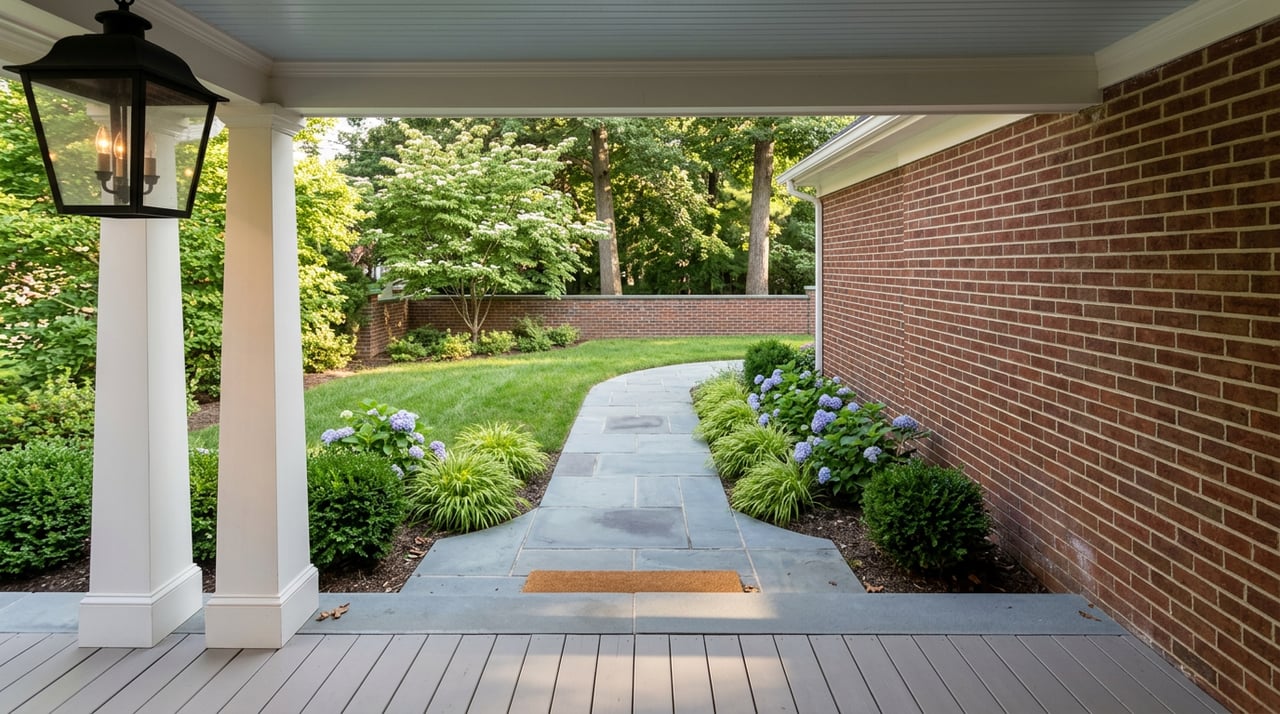
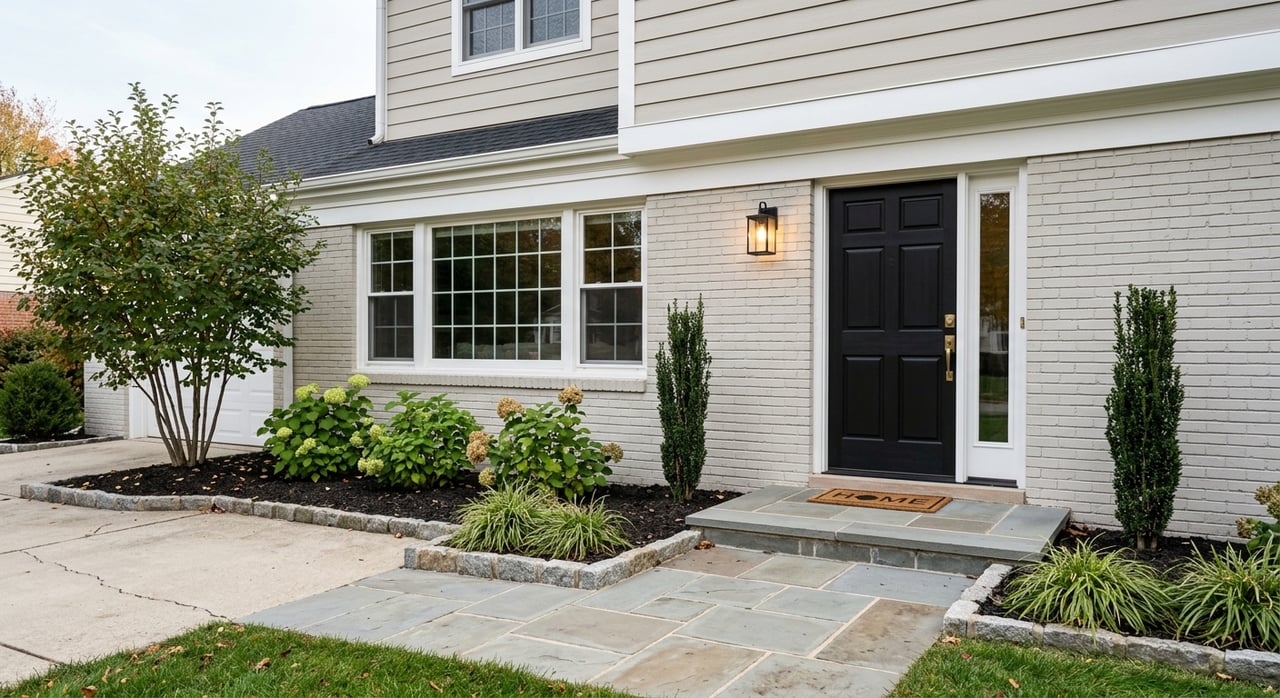
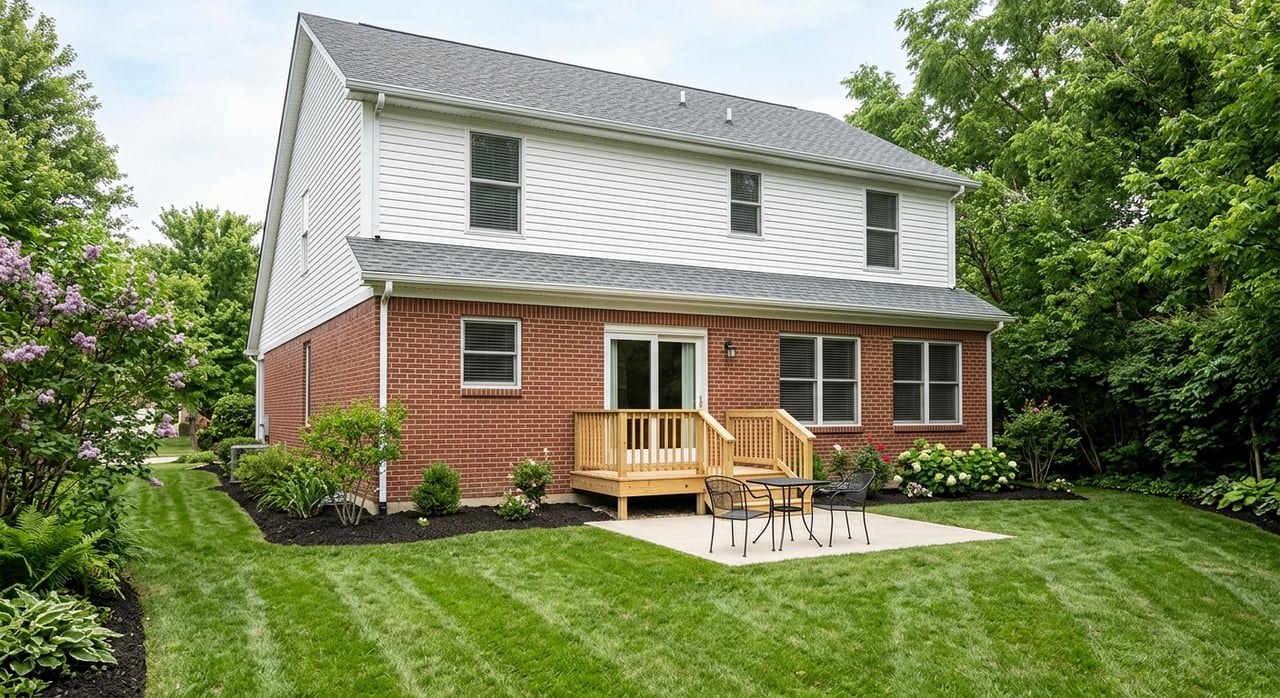
In practical terms, Greenville often reads as a blend of older historic neighborhoods, later suburban homes, and larger-lot estate-style properties. You may see homes with traditional details, mid-century influences, or more expansive settings depending on the pocket of the area. That mix can be helpful if you want character without giving up everyday livability.
The housing types are varied too. While single-family homes are the main pattern in many parts of Greenville, survey and planning documents also identify duplexes, apartment buildings, and multifamily examples such as Greenville Place Apartments. So while the area is often associated with larger homes and landscaped properties, it is not limited to one housing format.
Where Homes Tend To Cluster
Local planning materials note that neighborhoods are largely concentrated south of Kirk Road and are typically made up of single-family homes. Zoning in the broader area also includes different lot sizes, suburban estate parcels, planned developments, apartments, and commercial uses. That means Greenville is not one uniform housing environment.
For you as a buyer or seller, that matters because home value, lot feel, and daily convenience can shift from one part of Greenville to another. Some areas may feel more residential and tucked away, while others are closer to the commercial core along Kennett Pike. Understanding those differences is key when comparing properties.
Architecture Meets Everyday Use
Greenville is appealing in part because it feels both architectural and residential at the same time. You are not just looking at homes as isolated buildings. You are seeing them in the context of mature landscapes, preserved views, and roads that connect the area to the larger Brandywine Valley story.
That can shape how a home feels the moment you pull in. A Cape Cod on a quieter lot, a Tudor Revival near established landscaping, or a Ranch in a later suburban setting may offer very different experiences even if they are all within the same broader area. Buyers who care about design details often notice this quickly in Greenville.
Outdoor Living In Greenville
If lifestyle matters as much to you as the house itself, Greenville has a lot to offer nearby. Brandywine Creek State Park is one of the area’s major outdoor anchors, with 952.02 acres and 18.74 miles of trails. The park includes rolling hills, meadows, forested creek banks, and opportunities for hiking, birdwatching, mountain biking, and seasonal canoe or tubing trips on the Brandywine.
That kind of access can shape everyday living in a real way. Whether you want a quick trail walk, a weekend outing, or a place to enjoy changing seasons, the park adds meaningful outdoor options close to home. For many people, that is a big part of why Greenville feels different from a more typical suburban area.
Mt. Cuba Center adds another layer to the local outdoor experience. Located in the rolling hills of the Delaware Piedmont, it manages more than 1,000 acres of natural lands and includes nearly three miles of trails. It is another reminder that Greenville’s setting is closely connected to nature, gardens, and preserved land.
Museums And Garden Destinations
Greenville is not only about houses and roads. It is also near a strong group of museum and garden destinations that help define the area’s everyday quality of life. Winterthur offers nearly 1,000 acres of meadows, farmland, waterways, gardens, and trails, while Hagley spans 235 acres along the Brandywine with restored mills, a workers’ community, and the du Pont family’s ancestral home and gardens.
The Delaware Museum of Nature & Science, located at 4840 Kennett Pike in Wilmington, reopened in 2022 after a major renovation. Along with places like Nemours Mansion and Gardens, these destinations reinforce the idea that Greenville living is tied to the broader Brandywine Valley landscape and cultural setting. For many residents, these nearby options become part of regular life rather than special-occasion trips.
Daily Errands And Local Convenience
Everyday living in Greenville is heavily shaped by Kennett Pike, also known as DE-52. The Greenville study report describes the commercial center as a shopping and office area with an apartment complex and A.I. DuPont High School nearby, along with brick sidewalks and pedestrian crossings in the core. That creates a place where local retail, school traffic, and daily errands all intersect.
This is helpful to know if you are comparing Greenville with places that have either a traditional downtown or a fully car-dependent suburban layout. Greenville offers a commercial core, but it does not function like a dense, walkable town center. Instead, it tends to feel like a scenic, low-density area with a practical hub for errands and services.
Commuting From Greenville
For many households, commute patterns are a big part of the decision. The main roads serving Greenville are Kennett Pike or DE-52, Montchanin Road or DE-100, and Kirk and Campbell Roads or DE-82. DE-141 and the I-95 corridor are also nearby, which supports regional access.
That said, local transportation planning identifies the northwest Wilmington DE-52 and DE-48 corridor as a congestion hotspot. Many people who work in Wilmington rely on those roads, and delays are most noticeable during weekday peak periods. If you are considering Greenville, timing your commute matters.
Greenville is easiest to navigate by car for most daily needs. Still, transit is present in a limited form. DART Route 20 serves Greenville, Barley Mill Plaza, Pennsylvania Avenue, Downtown Wilmington, and the Wilmington Transit Center on weekday rush-hour and mid-day schedules, which can make mixed-mode commuting possible for some trips.
Is Greenville More Suburban Or Village-Like?
This is one of the most common questions buyers ask. Based on local planning documents, Greenville is best understood as a low-density, landscape-heavy place with a commercial core, not a compact downtown village. That distinction is important because expectations shape whether an area feels like the right fit.
If you want an environment defined by scenery, established roads, and a strong connection to the Brandywine Valley, Greenville delivers that. If you are looking for a tight downtown grid with dense blocks of shops and housing, this is a different type of place. Greenville’s identity is more about setting, architecture, and access than urban form.
What Buyers Should Notice
When you tour homes in Greenville, it helps to look beyond square footage. Pay attention to lot setting, road access, proximity to the commercial core, and how each property fits into its immediate surroundings. In a place with varied architecture and housing patterns, those details can affect both lifestyle and long-term satisfaction.
It is also smart to think about your daily routine. A home that feels wonderfully private may still be convenient for Wilmington access, or it may place more weight on drive times and timing. The right fit depends on how you balance scenery, home style, and practical movement through the area.
Why Greenville Stands Out
Greenville stands out because it combines residential variety with a strong sense of place. You get a community shaped by scenic roads, preserved landscapes, established home styles, and proximity to major outdoor and cultural destinations. That combination is not easy to find.
For buyers, that often means Greenville is less about one single housing type and more about finding the right match within a distinctive setting. For sellers, it means the story of a home often includes more than the house itself. The surrounding landscape, architecture, and daily lifestyle are all part of the value.
If you are thinking about buying or selling in Greenville, having local guidance can make it much easier to compare locations, understand home style differences, and focus on what fits your goals. The team at Diego Reyes & Associates brings a people-first, educational approach to help you move forward with clarity and confidence.
FAQs
What types of homes are common in Greenville, DE?
- Greenville is known mostly for single-family homes, with a mix of historic styles, later suburban houses, estate-style properties, and some apartments, duplexes, and other multifamily housing.
What does everyday living in Greenville, DE feel like?
- Everyday life in Greenville tends to feel scenic and low-density, with daily errands often centered around Kennett Pike and outdoor access playing a big role in the local lifestyle.
What is the architecture like in Greenville, DE?
- Documented home styles in Greenville include Gothic Revival, Colonial Revival, Georgian Revival, Cape Cod, Craftsman, bungalows, period cottages, Art Deco, Tudor Revival, Ranch, and Neo-Colonial Revival.
What are the main outdoor attractions near Greenville, DE?
- Major nearby outdoor and garden destinations include Brandywine Creek State Park, Winterthur, Hagley, Mt. Cuba Center, and Nemours Mansion and Gardens.
How do most people commute from Greenville, DE?
- Most people get around Greenville by car using DE-52, DE-100, DE-82, DE-141, and nearby I-95, while DART Route 20 offers limited weekday transit service for some trips.
Should buyers expect traffic in Greenville, DE?
- Yes, buyers should expect possible delays during weekday peak hours, especially along the DE-52 and DE-48 corridor toward Wilmington.