In February 2025, a wine bar called Turks Head Wines filed an application with the Borough of West Chester to install a seasonal outdoor dining platform in front of its space at 120 N. Church Street. Forty feet long, eight feet wide, with traditional metal perimeter railings matching what other downtown platforms already used. The application went to a public board first, then to Borough Council, with a formal review of the platform's dimensions, its railing material, and whether it crept onto the sidewalk in front of the neighboring business at 126 N. Church.
That board is the Historical and Architectural Review Board, and if you're buying, selling, or renovating a home inside West Chester's downtown historic district, HARB is the piece of the process that catches people off guard. Not because it's secretive. Because most buyers assume a neighborhood this walkable and this tightly built must be governed by a homeowners association. There's a public board, seated by ordinance, that reviews exterior work once a month.
Why HARB Is Different From An HOA
An HOA is a private agreement between owners. HARB is public regulation, authorized under Pennsylvania's Act 167 of 1961, which lets municipalities create certified historic districts and set up a review board to advise on any construction, alteration, restoration, or demolition inside them. West Chester Borough did exactly that for its downtown core, and the resulting rule is specific: no exterior architectural change visible from a public street or way can happen until the work has gone through HARB and received a Certificate of Appropriateness approved by Borough Council.
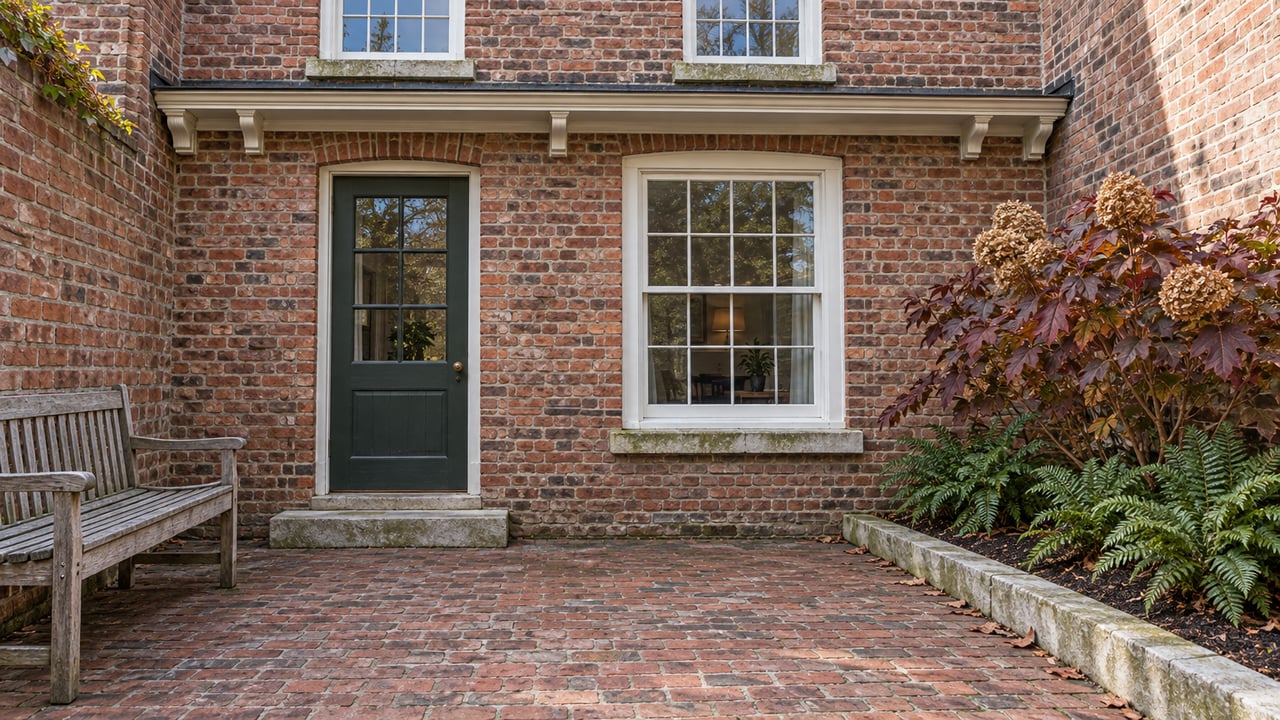
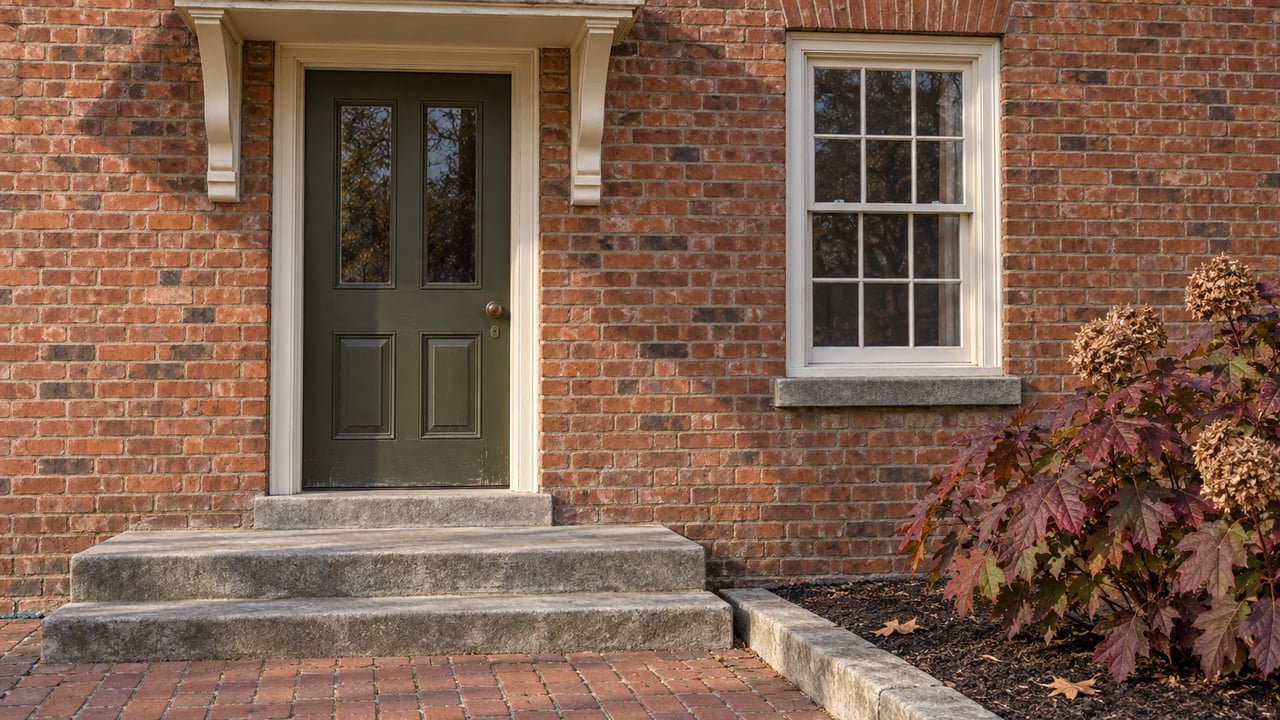
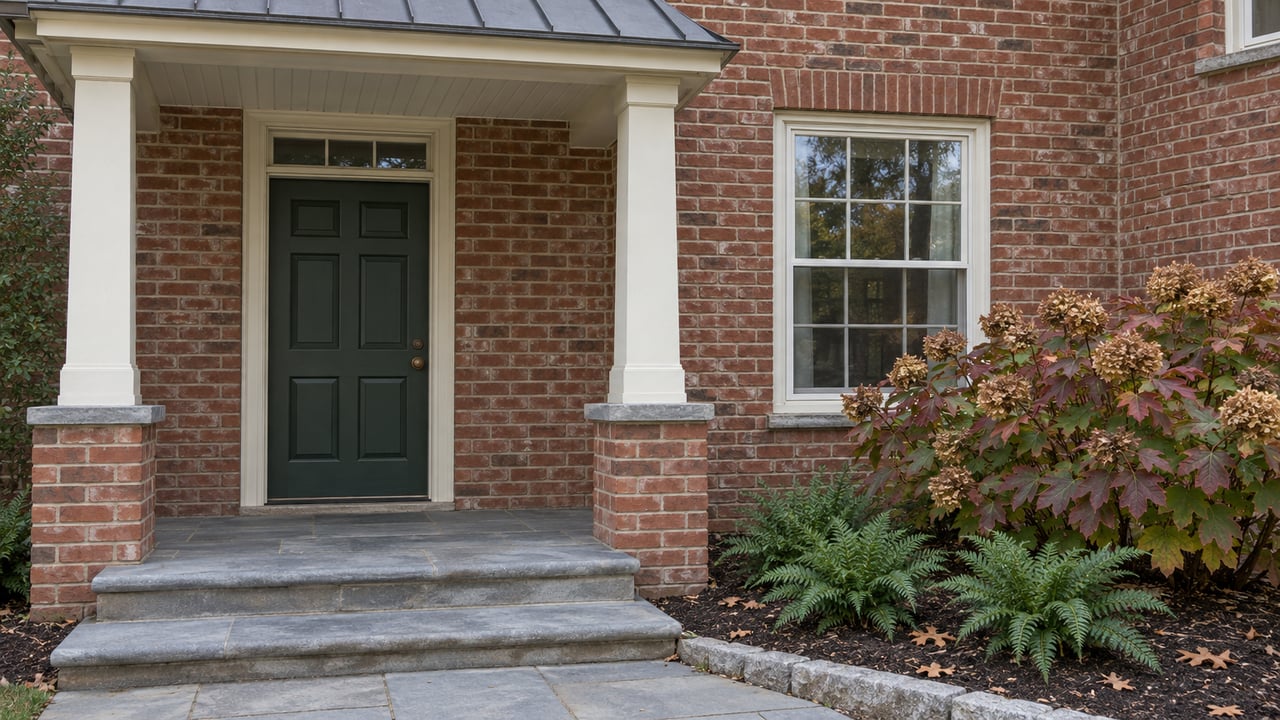
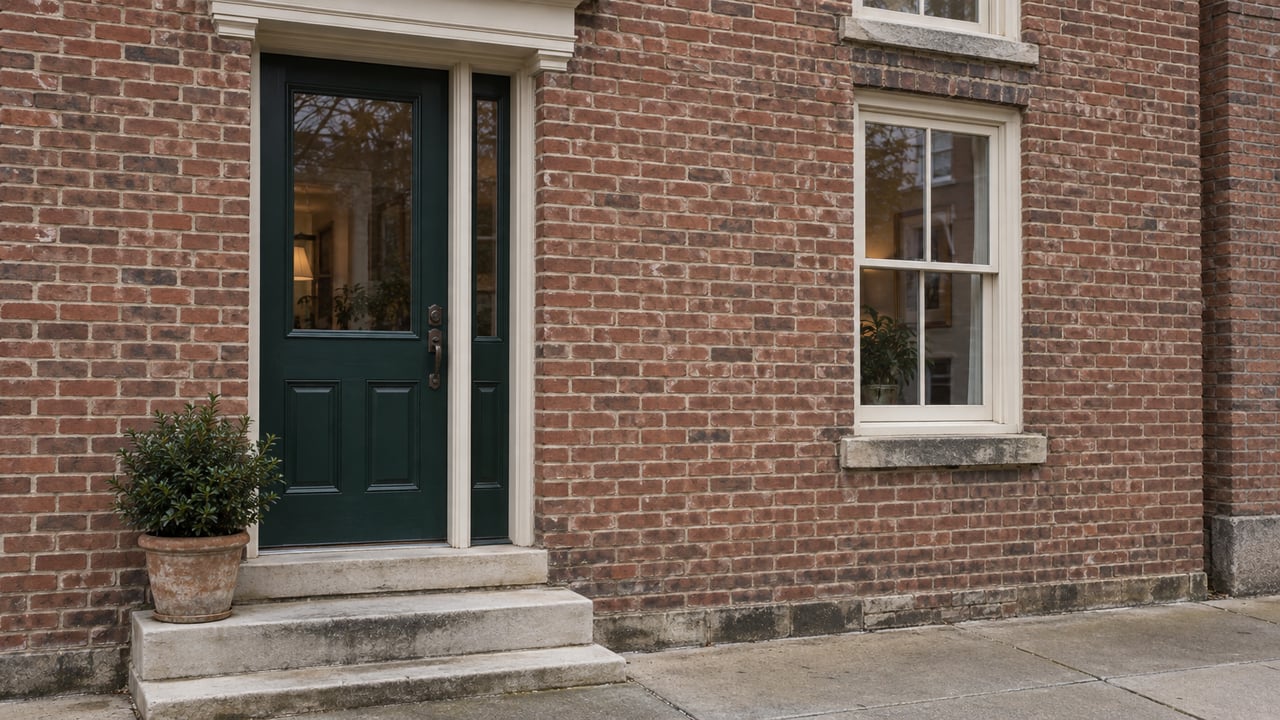
That covers more than additions and demolitions. Paint color, window replacement, fencing, signage, even the shape of a temporary dining platform, all fall under the same review if they're visible from the street. The Borough's own design guidelines spell this out directly: no structure in the historic district may have its exterior architectural character altered until after a building permit application has been fully reviewed by HARB and approved by Council.
West Chester's HARB is seated by ordinance with no fewer than seven members, a majority of whom must be Borough electors, each serving a three-year term. According to West Chester's HARB page, the board meets on the last Thursday of the month at 7 p.m., reviewing applications that include written descriptions, images of the proposed work, and sometimes floor plans. Applications are due at least ten days before that monthly meeting, which means a homeowner who wants to swap out a storefront window or repaint a rowhouse facade before a spring listing needs to plan around a fixed calendar, not a same-week permit run.
What The Turks Head Wines Case Actually Shows
The February 2025 review of the Turks Head Wines platform is a useful example precisely because nothing about it was controversial. The board looked at railing material (steel, not aluminum), platform dimensions, and whether the structure would extend past the applicant's own property line toward the neighboring business. HARB recommended approval with one clarification: confirm the platform wouldn't extend in front of 126 N. Church Street. Under West Chester Borough's Chapter V code, that recommendation still had to go to Borough Council for final approval, because HARB is advisory. Council can approve a HARB recommendation as submitted, deny it, or approve it with differences, and an applicant who disagrees with HARB's call can appeal directly to Council.
That layered structure, HARB recommends and Council decides, is the detail generic renovation checklists miss. It means a seller planning exterior work ahead of a listing isn't dealing with one approval, they're dealing with two, on two different schedules, and a denial or a request for revisions at either stage can push a project past a target closing date.
Which Streets Are Actually Inside The District
Not every home in West Chester Borough falls under HARB review, and that distinction matters when you're comparing properties. The certified historic district is roughly 15 square blocks centered on the intersection of Gay and High Streets, bounded by Chestnut, Walnut, Market, and Church Streets, with the district's boundary expanded in 2005 beyond the original footprint. Inside those blocks sit more than 3,100 contributing buildings dating from 1789 into the 1930s, including the Chester County Courthouse, the U.S. Post Office building from 1907, and the former Denney-Reyburn tag and label factory, a working industrial building since 1888 that now sits inside a neighborhood of Victorian rowhouses.
A rowhouse two blocks off Gay Street inside those boundaries answers to HARB for its shutters and its storm door. A similar-looking home a few blocks farther out, outside the certified boundary, doesn't. That difference isn't cosmetic. It changes what a buyer can do with the exterior without a public hearing, and it changes how a seller should time any facade work before putting a historic-district property on the market.
What This Costs You In Time, Not Just Money
Resale data compiled this spring put the median sale price for homes in West Chester's historic core near $610,000. That number tells you what the neighborhood costs. It doesn't tell you what a renovation timeline costs, and that's the part sellers underestimate.
If your listing strategy includes fresh paint on a street-facing facade, replacement windows, or a new fence, and your home sits inside the certified district, you're not scheduling a contractor. You're scheduling a contractor around a HARB meeting date, then around whatever Council does with that recommendation, then around whether the recommendation gets approved as submitted or comes back with conditions. A homeowner who applies the week after HARB's monthly meeting has effectively lost a month before the clock even starts on permitting and construction.
For buyers, the same mechanism cuts the other way. If you're touring a historic-district property with plans to update the exterior after closing, ask whether prior owners ever went through HARB, and for what. A seller who can point to an approved Certificate of Appropriateness for a past project has already shown you how the process runs on their specific block. A seller who can't answer the question at all is a signal to budget extra time into your own plans.
A Few Straight Answers
Does HARB review apply to interior work? No. Act 167 and the Borough's own ordinance limit review to work visible from a public street or way. Interior renovations that don't change what's seen from outside don't require a Certificate of Appropriateness.
Can Borough Council overturn a HARB recommendation? Yes, in both directions. Council can approve a HARB recommendation, deny it, or approve it with differences, and an applicant can also appeal a HARB decision to Council.
Is there a faster path for small projects? The Borough's process doesn't distinguish by project size, only by visibility from the street. A dining platform gets the same category of review as a rear addition, which is exactly what the Turks Head Wines application shows.
If you're weighing a home inside West Chester's historic district, whether you're the one buying it or the one about to list it, the calendar matters as much as the comps. Diego Reyes & Associates has walked clients through exactly this kind of timeline friction, and we'd rather you know about HARB's monthly clock before you're three weeks into a renovation you assumed would move at a contractor's pace. Let's Work Together.
This article is general information, not legal, tax or financial advice. Consult a qualified professional about your situation.