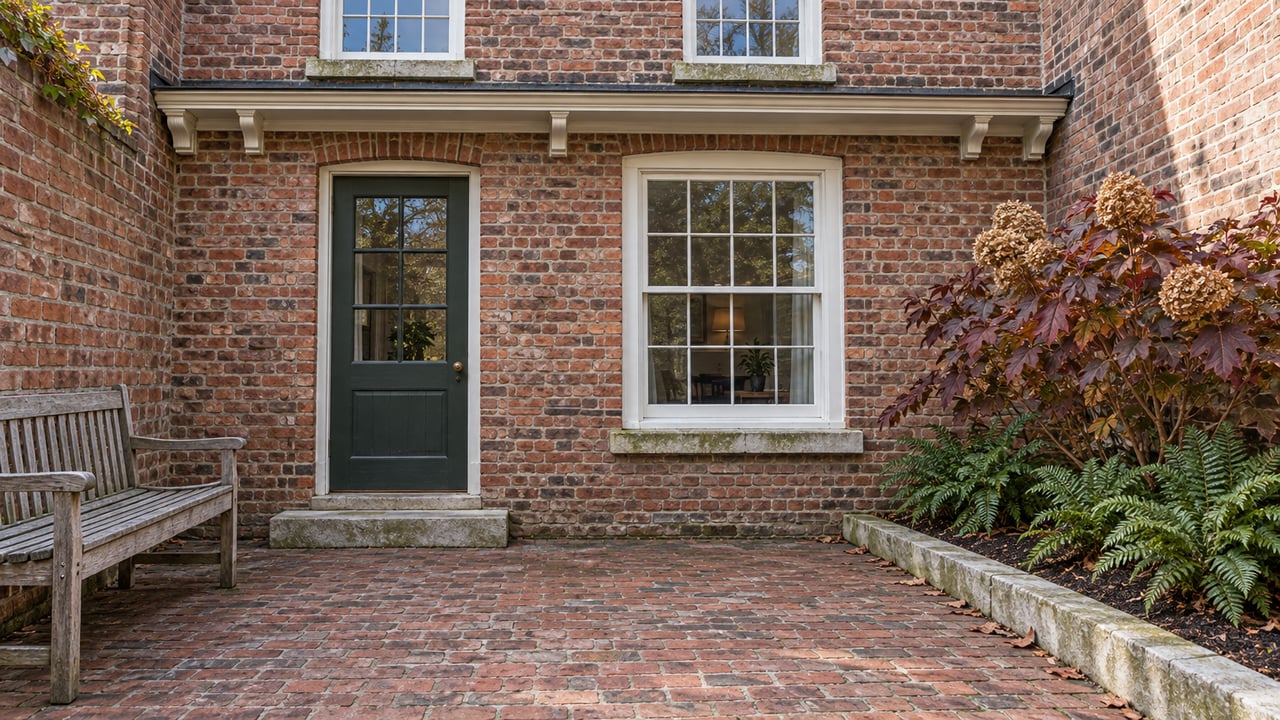
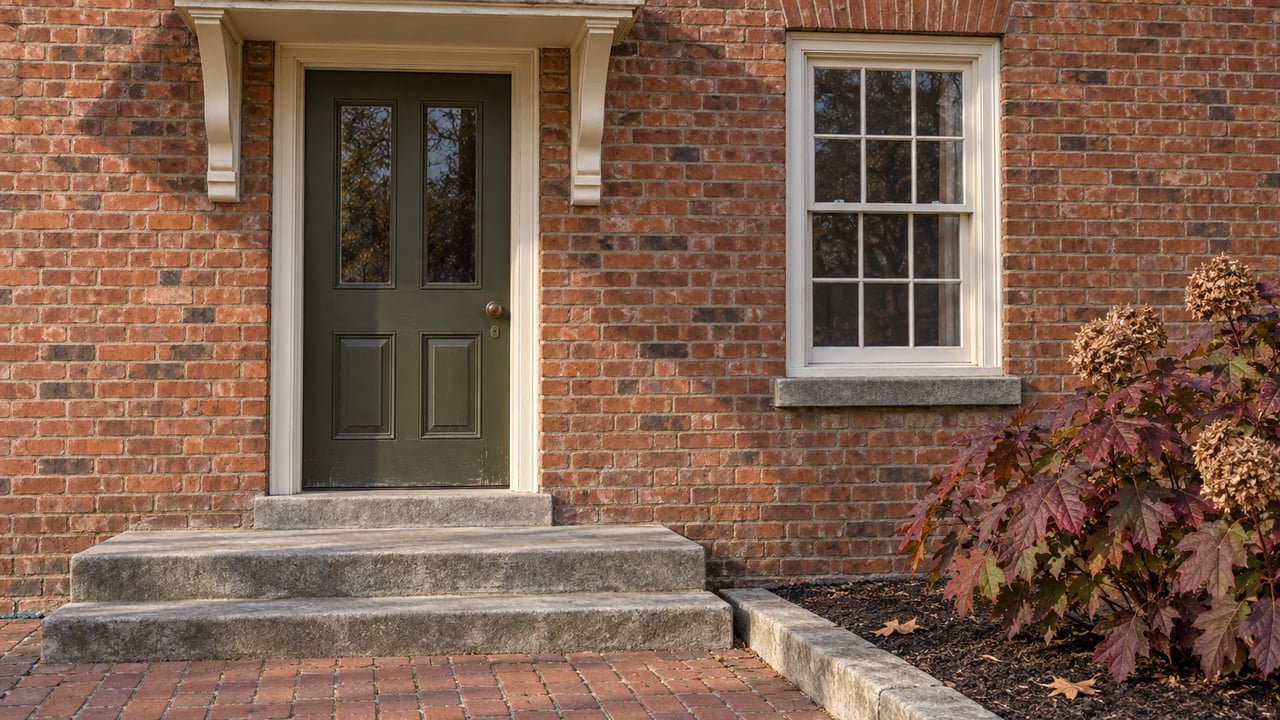
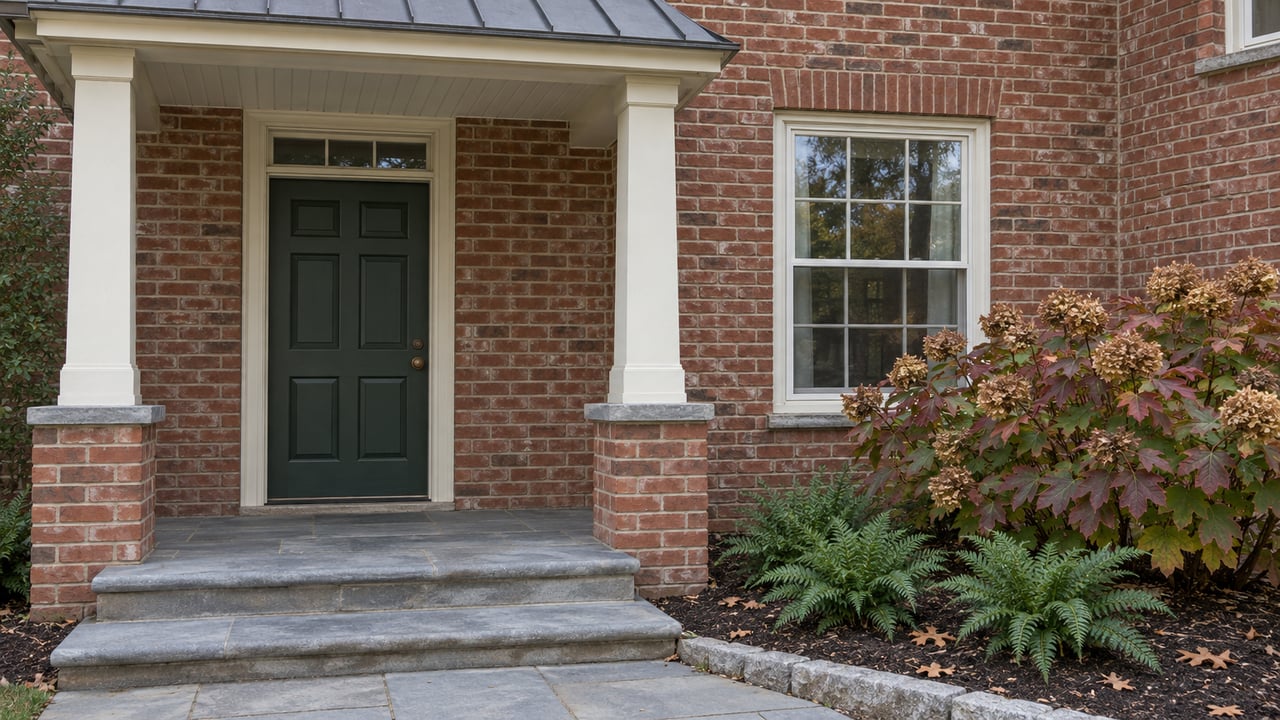
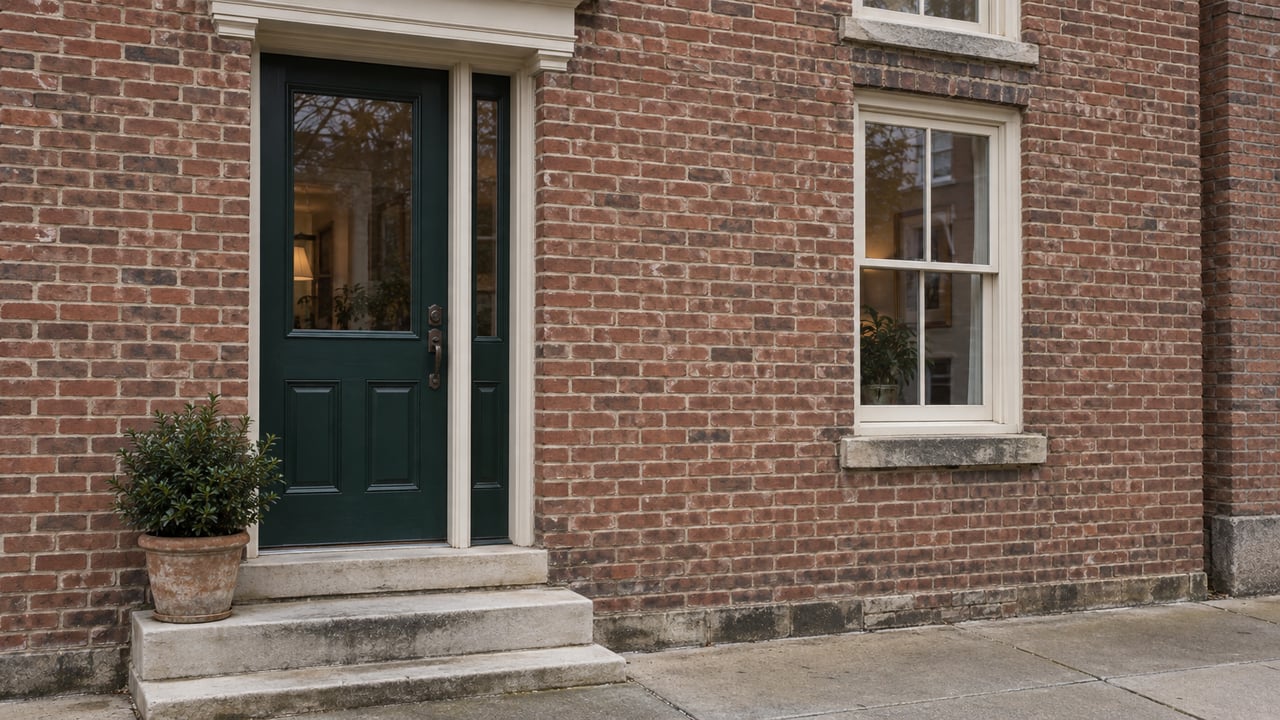
A Newark city councilwoman, quoted in the Newark Post, put the blame plainly at a recent council meeting, pointing to "speculators coming in and buying up old homes to use as rental properties." She wasn't talking in the abstract. She was describing a pattern where a young couple loses a house, and loses it by tens of thousands of dollars, to a buyer who was never going to live there.
If you've been comparing Newark against Middletown, Hockessin, or Pike Creek using the median price alone, the quote points to a part of the market the median does not measure. The median tells you what a typical Newark home sold for. It does not tell you who else was standing in the room when it sold, or why some blocks behave nothing like the citywide number suggests.
What the Median Doesn't Show
In the six months leading up to late July 2026, Newark logged 457 closed sales at a median price of $380,000, according to a residential market analysis published that same month. Homes across the city were also moving fast: a national home-value tracker updated July 31, 2026 put the typical Newark home going to pending in around 7 days. Read as a pair of numbers, that looks like a fairly normal, tightening suburban market: steady transaction volume, quick sales, a median that sits comfortably in line with the rest of northern New Castle County.
What that number can't do is separate a family buying a starter Cape Cod on a quiet block from an investor buying the same style of house three streets over with a completely different plan for it. Both transactions land in the same median. Only one of them is competing on the terms most buyers expect: inspection contingencies, financing timelines, a mortgage payment sized to a household income.
The other buyer is running a rental pro forma. They're pricing the house against what four bedrooms near campus can command in September, not against what a family can comfortably afford in a 30-year loan. That buyer doesn't need the house to appraise for a primary residence. They need it to cash flow. Those are different math problems, and when they compete for the same house, the pro forma usually wins, because it can absorb a higher purchase price in exchange for years of rent.
Newark's Student Home Ordinance
The Newark Post reported that Newark passed a student home ordinance in the 1990s, aimed at stopping student rental houses from spreading unchecked into single-family neighborhoods. The law defines a "student home" as a house occupied by three or more college students, and it sets a spacing requirement so that one student home can't sit too close to another on the same block. That's a real, enforceable idea on paper: it prevents an entire street from tipping over into rental housing all at once.
Enforcement of the ordinance depends on the city knowing which houses are occupied by three or more students, and the University of Delaware no longer shares off-campus student addresses with the city. The ordinance remains on the books, but those limits constrain its enforcement in practice.
The Newark Post reported that council members discussed new limits in the past month, including a possible cap on how many rentals can exist on a single block. Nothing has been adopted yet.
Not Every Street Has the Same Rental Mix
Areas closest to the university's traditional core, streets like Cleveland Avenue, Haines Street, Choate Street, and Prospect Avenue, already carry a heavier rental presence and are largely built around that reality. If you're a family buyer looking at a listing in that pocket, expect your competition to include landlords, not just other households.
Move a few blocks out, into pockets like the Binns community off Elkton Road or the Academy Hills area, and you're closer to the kind of single-family stock the ordinance was built to protect, where investor competition, while present, isn't baked into the block's identity.
A Number That Should Make You Pause, Not Panic
While researching this, one hyper-local data point stood out as a caution rather than a trend. A neighborhood-level tracker covering what it labels the University-Newark Core showed an average sale price of $425,000 for a recent month, down more than 20 percent from the same month a year earlier. That's a dramatic swing for one submarket.
Treat that kind of number carefully. A pocket that small can see its average move sharply based on two or three unusual sales, a large rental conversion closing at a discount, or a single luxury renovation skewing the prior year's comparison. It's a useful flag that something is happening in that specific area, but it's not a reliable stand-in for what your specific street or your specific price point will do. When a neighborhood is small enough, the average stops being a market signal and starts being a coin flip between whichever handful of houses happened to close that month.
What This Actually Changes If You're Shopping Right Now
If you're comparing Newark against other New Castle County towns, the investor dynamic changes a few practical decisions, not the whole strategy.
- Expect faster timelines on blocks closer to campus. An investor evaluating cash flow doesn't need weeks to decide. A tight, well-prepared offer matters more there than it might in a quieter pocket.
- Don't anchor too hard to one hyper-local average. The citywide median is a better starting point than a submarket number pulled from a thin sample of recent sales.
- If a home needs work, factor in that an investor's renovation math is different from yours. They may be comfortable with deferred maintenance that would concern a family planning to live there for a decade.
None of this means avoid Newark. It means understand which version of Newark's market you're actually stepping into before you write an offer.
A Straight Answer
Does this mean family buyers can't compete near campus? No, but it means the offer needs to be clean and quick, and the buyer needs realistic expectations about what an investor is willing to pay for the same house.
If you're trying to figure out where in Newark, or in the towns around it, actually fits what you're looking for, that's the conversation worth having before you start touring houses. Diego Reyes & Associates has walked enough of these blocks to tell you which ones are quietly two different markets wearing one zip code. Let's Work Together.
This article is general information, not legal, tax or financial advice. Consult a qualified professional about your situation.